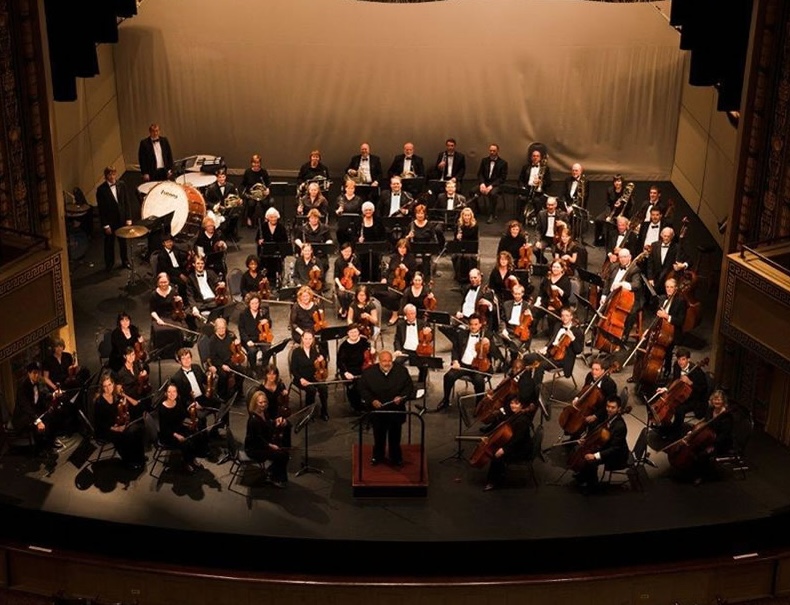
Welcome to this evening’s Durham Symphony performance.
You may be wondering what this program is all about,
especially on Valentine’s Day. Neuroscientists tell us that in
the evolution of homo sapiens, music predated language.
There is indeed something indescribably primal in music’s expressive
power, the feelings it arouses, the stories it tells.
This is as true of Beethoven’s Fifth Symphony as it is of Charlie XCX’s Brat.
It’s no stretch to assert that music can take us into the full range of
human experience and emotion with all its joy and sorrows, contradictions,
nuances, and mysteries.
Tonight’s program explores the extraordinary duality of living with injustice,
loss, and grief while finding the wellspring of empathy, love, and resilience
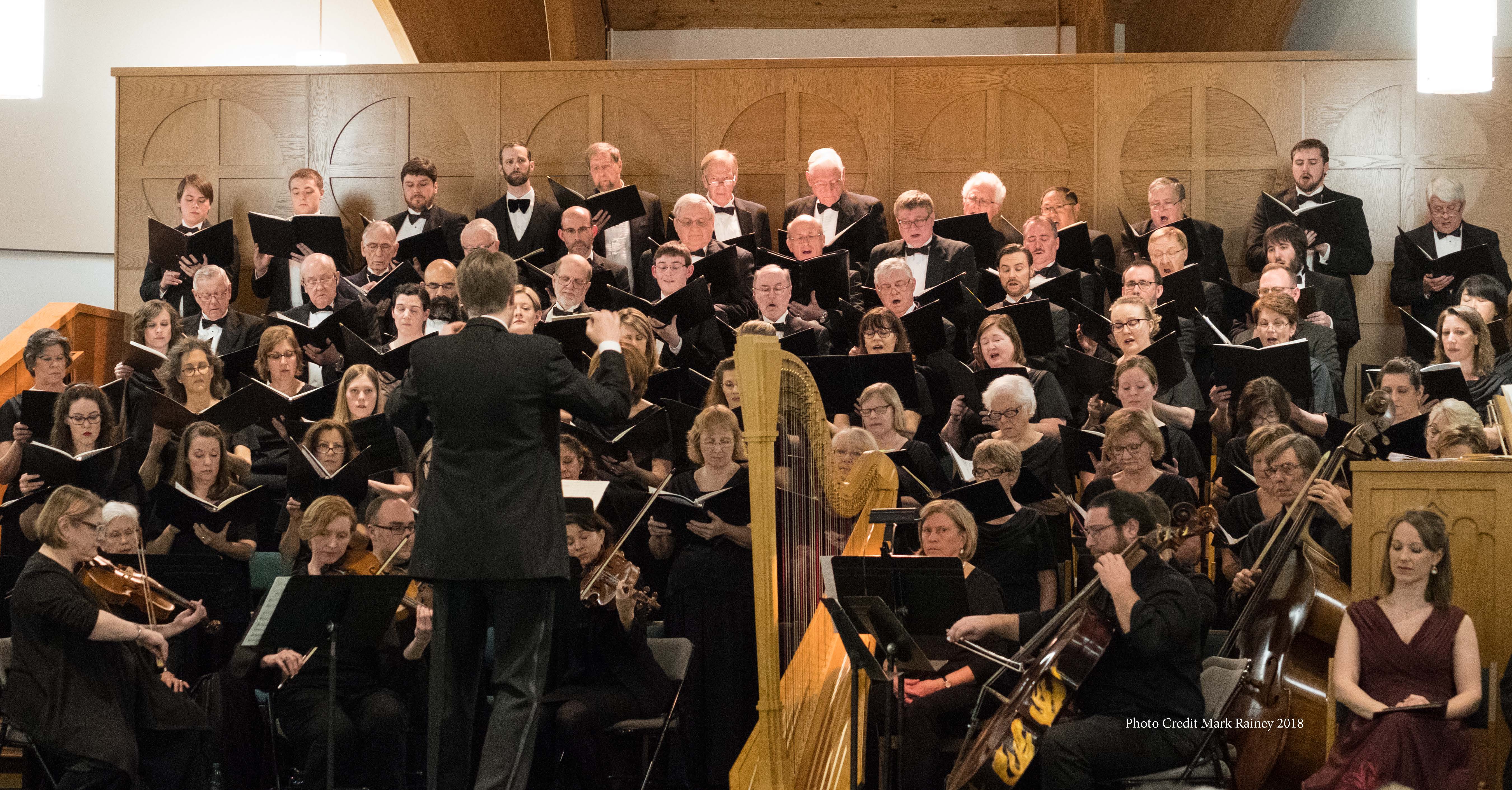
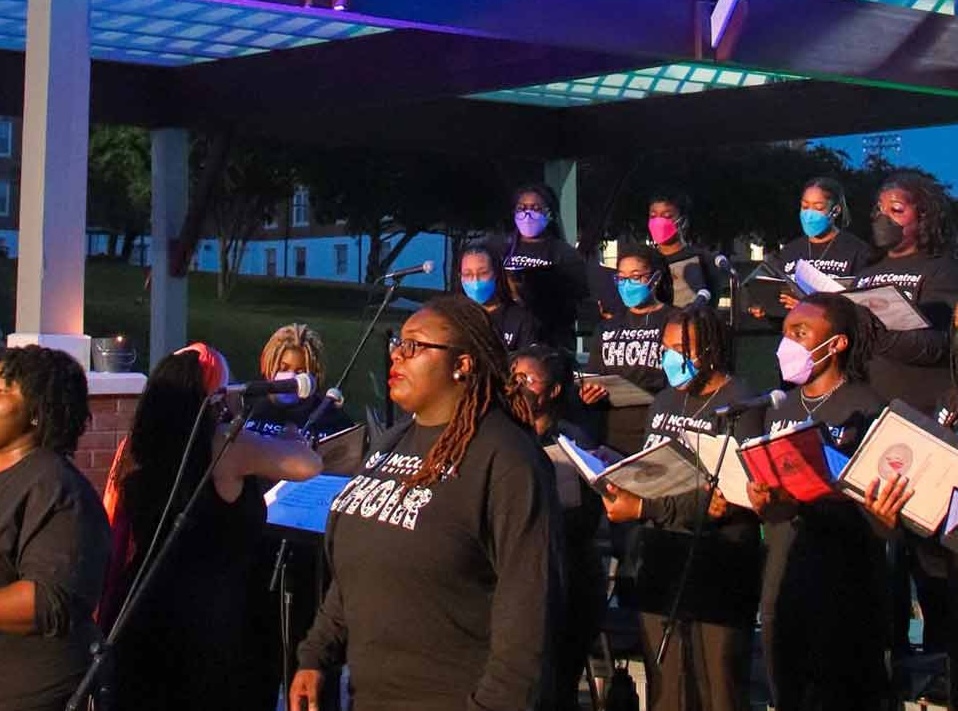
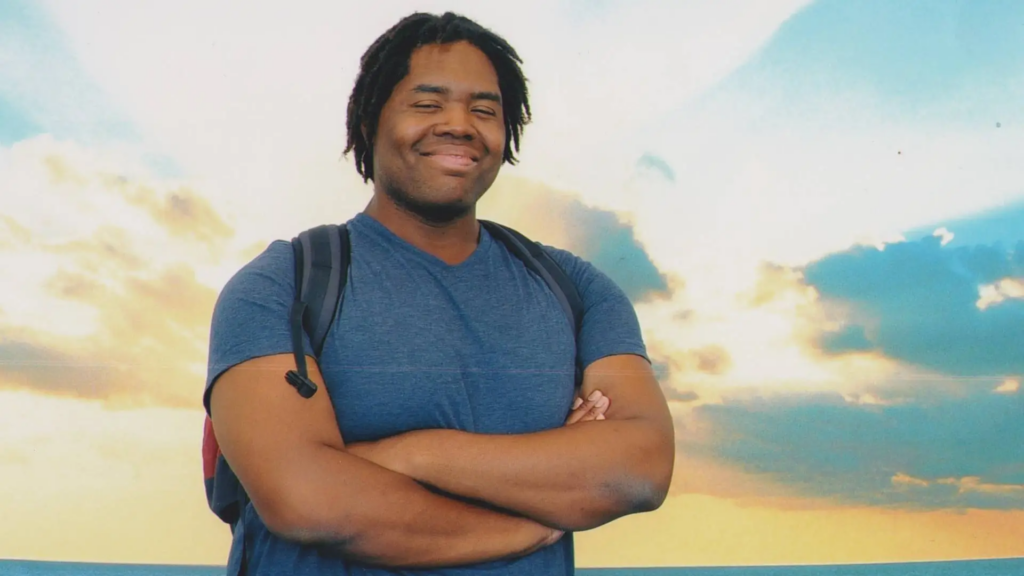
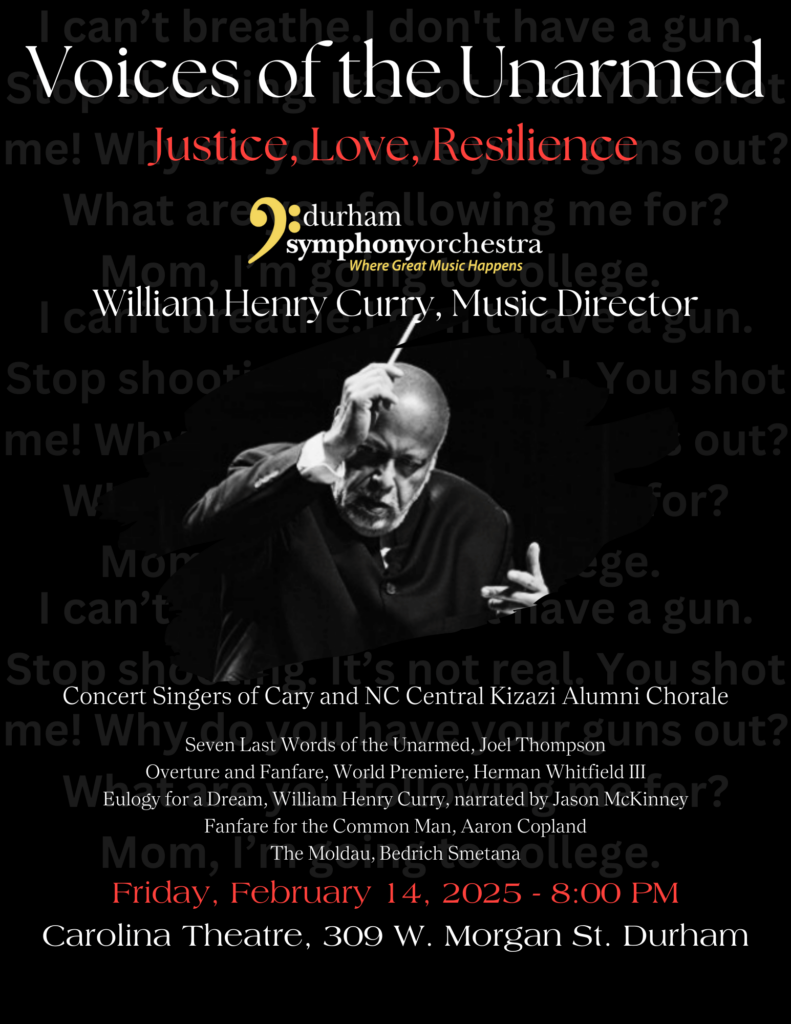
to go forward. Joel Thompson’s “Seven Last Words of the Unarmed”
brings us squarely into this space. Prompted by the killings of seven unarmed black
men killed by police and other authority figures, the work is described by Thompson
as “…a sonic diary entry expressing my fear, anger, and grief in the wake of
this tragedy,” yet it also awakens our empathy for these men, asking us to
consider their humanity.
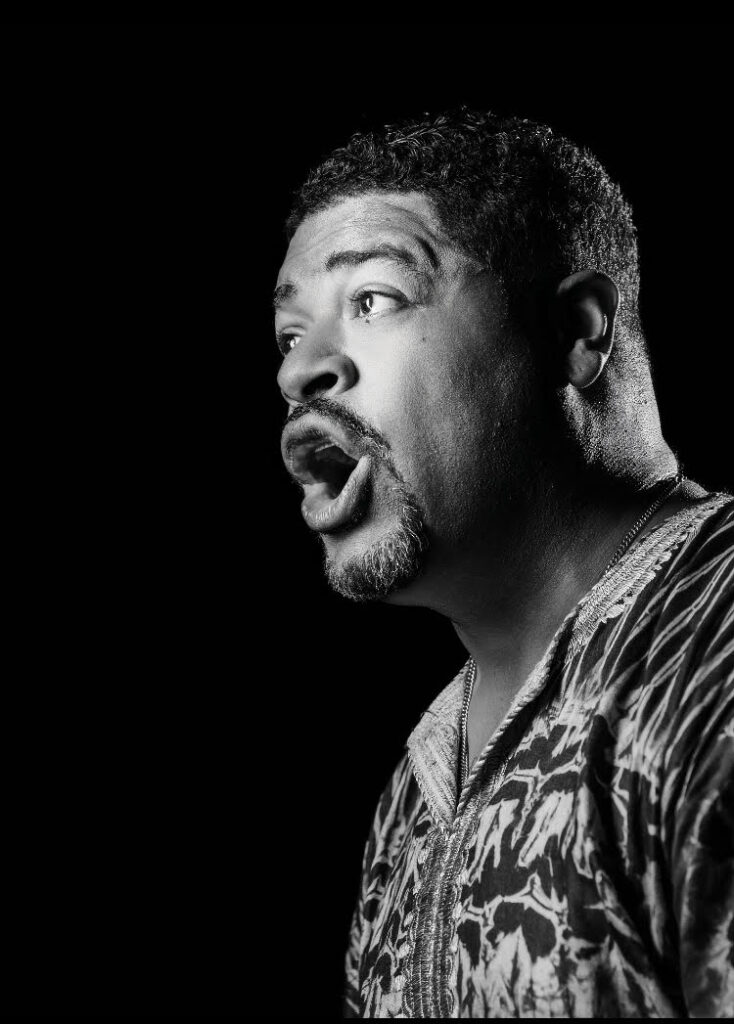
Both Aaron Copland’s Fanfare for the Common Man and Herman Whitfield III’s Overture-Fanfare in G Major also inhabit this duality. Copland wrote the work in 1941 as the United States entered the Second World War, a period of unimaginable terror, fear, and loss. And yet his fanfare has become a world-renowned anthem—an exhortation to our unbridled capacity for making a better, more humane world for all. Herman Whitfield III’s work is similarly exuberant, positive, and uplifting—a glimpse of what his future might have been. Yet in 2022, this black, award-winning composer with advanced degrees from Oberlin Conservatory and the Cleveland Institute of Music died unarmed (in his home) at the hands of responding police when his parents tried to summon medical help for a mental health crisis. He was 40 years old.
Though written in 1875 by Czech composer Bedrich Smetana, “The Moldau” shares profound resonances with our theme. As the second movement of his suite Má Vlast (“My Country”), its evocation of the Vltava River running through the Czech Republic was so redolent of Czech folk melodies and rhythms that it was instantly beloved and became the country’s unofficial national anthem. It was such a symbol of Czech identity that in 1939, when the Nazis invaded Czechoslovakia, they banned its performance—though they were not entirely successful. Its composition was an equally profound act of love and resilience: Smetana composed “The Moldau” directly after his swift and terrifying descent into total deafness.
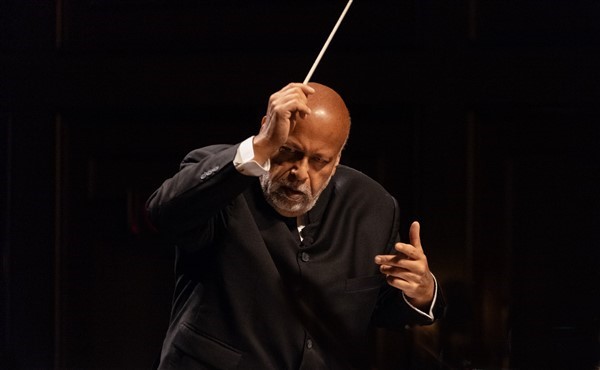
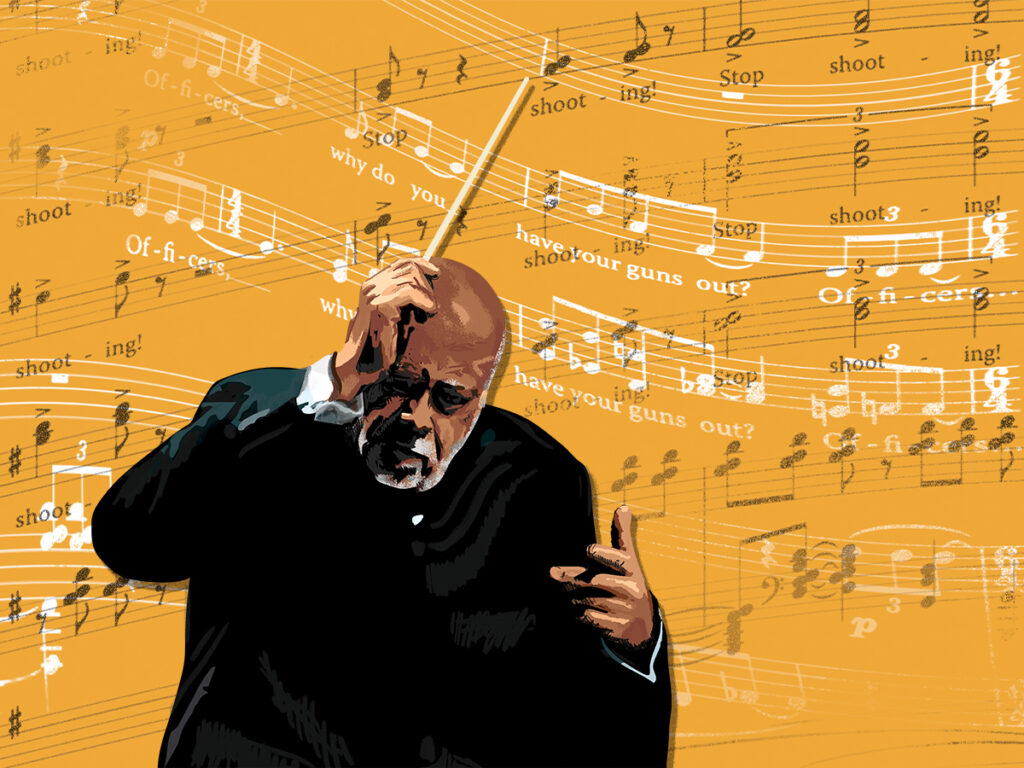
No one better epitomizes the capacity to look clear-eyed toward despair and injustice than Martin Luther King–yet his ultimate message is still a brighter future: “We’ve got some difficult days ahead. But it really doesn’t matter with me now, because I’ve been to the mountaintop….” In 1985 Coretta Scott King suggested to our very own Music Director William Henry Curry that he set this and other speeches by King to an orchestral composition. His Eulogy for a Dream closes tonight’s program. Curry has led a life inspired by King’s messages of justice, love and resilience, and he has led the Durham Symphony with the conviction that the orchestra holds a central place in fulfilling King’s dream.
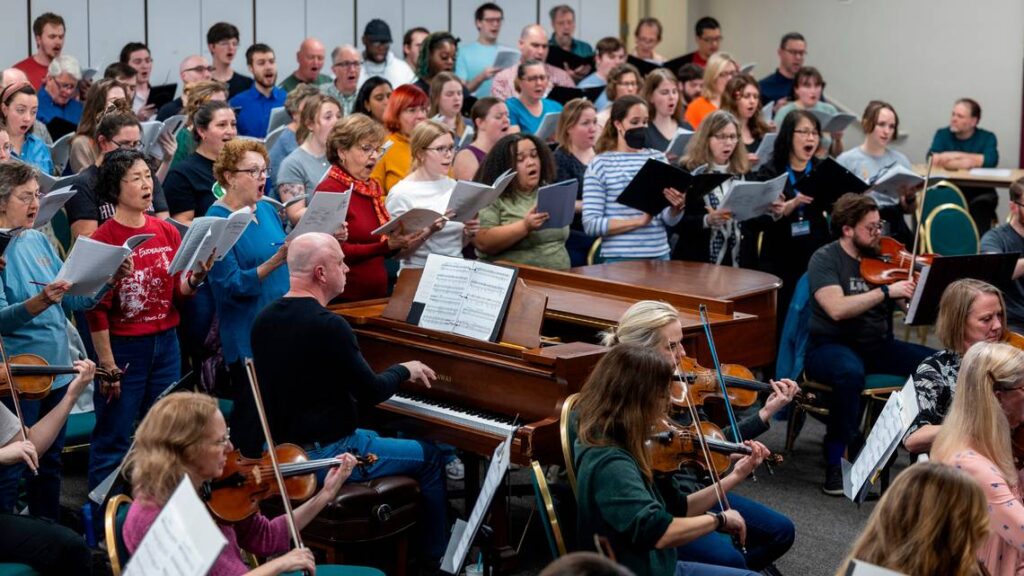
This evening is the culmination of the Durham Symphony’s Voices of the Unarmed project that has included Joel Thompson’s visits with students in two Durham Public High Schools and a professional development session with DPS teachers. DSO board members and Maestro Curry have worked closely with new community partners in creating a forum for the discussion of the themes of this program as they impact Durham’s residents.